
Green Desert Botanical Library
Plant Page
Home → Botanical Library → Cleistocactus → Cleistocactus winteri
Plant ID
GD-CAC-012-0054
Scientific Name: Cleistocactus winteri D.R.Hunt
Family: Cactaceae
Genus: Cleistocactus
Species: Cleistocactus winteri
Specimen: B
Library Record Name: Cleistocactus winteri — Specimen B
Common Name(s)
Red Rat-tail Cactus
Plant Photograph
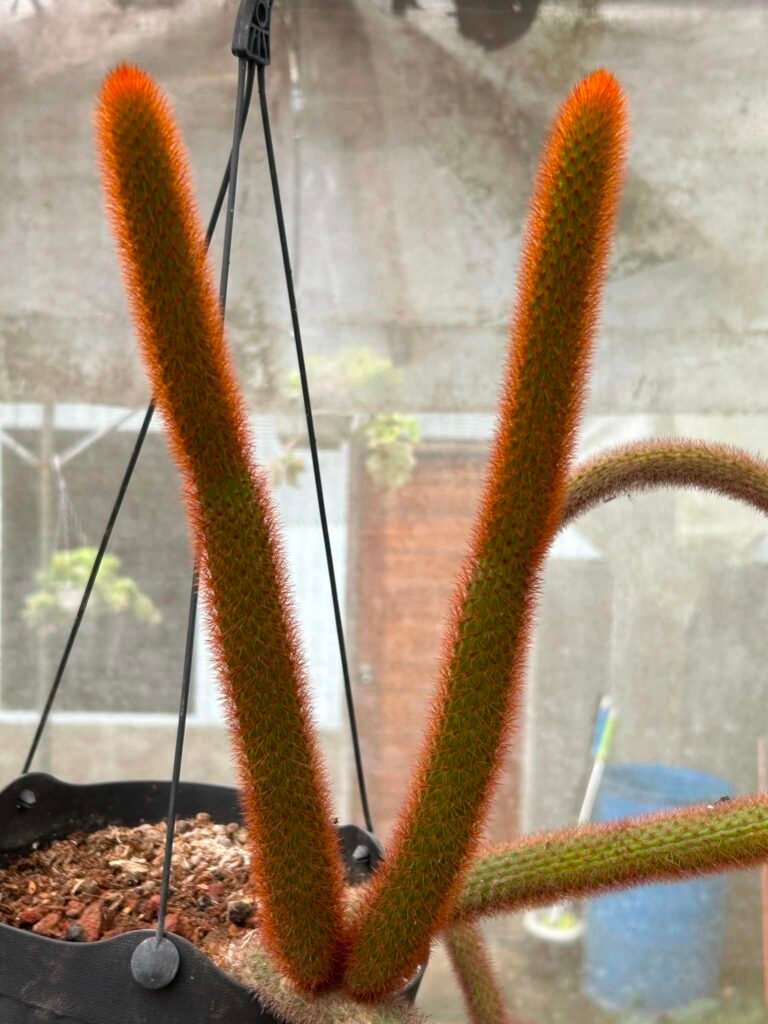
Figure 1. Cleistocactus winteri — Specimen B
Photo Caption:
A cultivated Cleistocactus winteri displaying elongated, upright-to-arching stems densely covered with fine orange-red bristle-like spines. This specimen is particularly notable for its intense reddish-orange spine coloration.
Photography: John Niño G. Ewa (@_____.5am)
Basic Information
| Character | Information |
|---|---|
| Growth Form | Clumping, cylindrical and arching |
| Stem | Elongated, cylindrical, upright when young and becoming arching or pendent |
| Spines | Very numerous, fine and bristle-like |
| Spine Color | Vivid orange-red to reddish-golden in Specimen B |
| Flowers | Tubular, reddish to orange-red |
| Fruit | Fleshy, globose |
| Natural Range | Bolivia |
| Specimen Character | Particularly intense orange-red spination |
Plant Description
Specimen B is a strongly branching Cleistocactus winteri with several elongated cylindrical stems emerging from the base and developing into upright, arching, and trailing growth.
Its most distinctive collection characteristic is the intense orange-red coloration of the dense bristle-like spines, giving the plant a striking red appearance from a distance. The stems are almost completely concealed beneath the closely arranged spination.
Botanical Description
For the detailed botanical description of Cleistocactus and the shared morphological characteristics of the genus, please see the [Cleistocactus Genus Page].
This specimen-specific record is limited to characteristics useful for recognizing Specimen B, particularly its elongated branching habit and unusually strong reddish-orange spine coloration.
Native Habitat
For the species’ complete native distribution, habitat, ecology, and associated botanical information, please see the [Cleistocactus Genus Page] and the species references available through the Library’s main reference system.
Growing Conditions
General cultivation requirements for Cleistocactus, including light, watering, substrate, drainage, temperature, dormancy, and propagation, are maintained on the [Cleistocactus Genus Page].
Specimen B Observation: Its elongated, arching growth makes it particularly suitable for documentation as a hanging or elevated specimen where the stems can develop naturally.
Propagation
General propagation information for Cleistocactus is maintained on the [Cleistocactus Genus Page].
Toxicity
No specimen-specific toxicity characteristic is recorded for Specimen B. General information concerning the genus is maintained on the [Cleistocactus Genus Page].
Pests and Diseases
Common pests and diseases affecting Cleistocactus are covered on the [Cleistocactus Genus Page].
No specific pest or disease is documented in the photograph of Specimen B.
Interesting Facts
The species is widely associated with the common name Golden Rat-tail Cactus because of its dense golden or yellowish bristly spination. Specimen B is particularly interesting because its spines display a strong orange-red coloration, giving it the appearance commonly described horticulturally as a Red Rat-tail.
The red coloration is treated here as a specimen-level characteristic, not as evidence that the plant belongs to a different genus or species.
Collection Value
Specimen B is particularly valuable for the Green Desert Botanical Library because of its exceptionally vivid orange-red spination and its clearly developed branching, arching growth form.
Its appearance provides a useful example of the variation that can occur within cultivated Cleistocactus winteri while retaining the species’ characteristic rat-tail architecture.
Conservation Status
The conservation information for Cleistocactus winteri, including its current assessment and broader conservation context, is maintained with the species and genus references accessible through the Library’s Main Menu → References.
Green Desert Botanical Library Notes
Specimen B is recorded as Cleistocactus winteri based on its characteristic elongated cylindrical stems, branching/arching growth habit, and exceptionally dense bristle-like spination.
The specimen is specifically documented for its red/orange spine coloration and should not be confused with Disocactus martianus, another cactus historically and commonly associated with the name Red Rat-tail Cactus.
For this Library record, the accepted scientific name remains:
Cleistocactus winteri D.R.Hunt
References
For the complete botanical references supporting this Plant Page, please see:
Main Menu → References
The Green Desert Botanical Library maintains the detailed genus-level botanical, habitat, cultivation, pest and disease, identification, taxonomic, and conservation references in the centralized References section rather than duplicating them on individual Plant Pages.
← Previous Plant | Cactus Collection | Next Plant →
🌵 GREEN DESERT BOTANICAL LIBRARY
WHERE EVERY PLANT HAS A STORY
DISCOVER THE STORY • GROW THE WONDER
Sources