
Plant ID
GD-EUP-300-0003
Plant Photograph
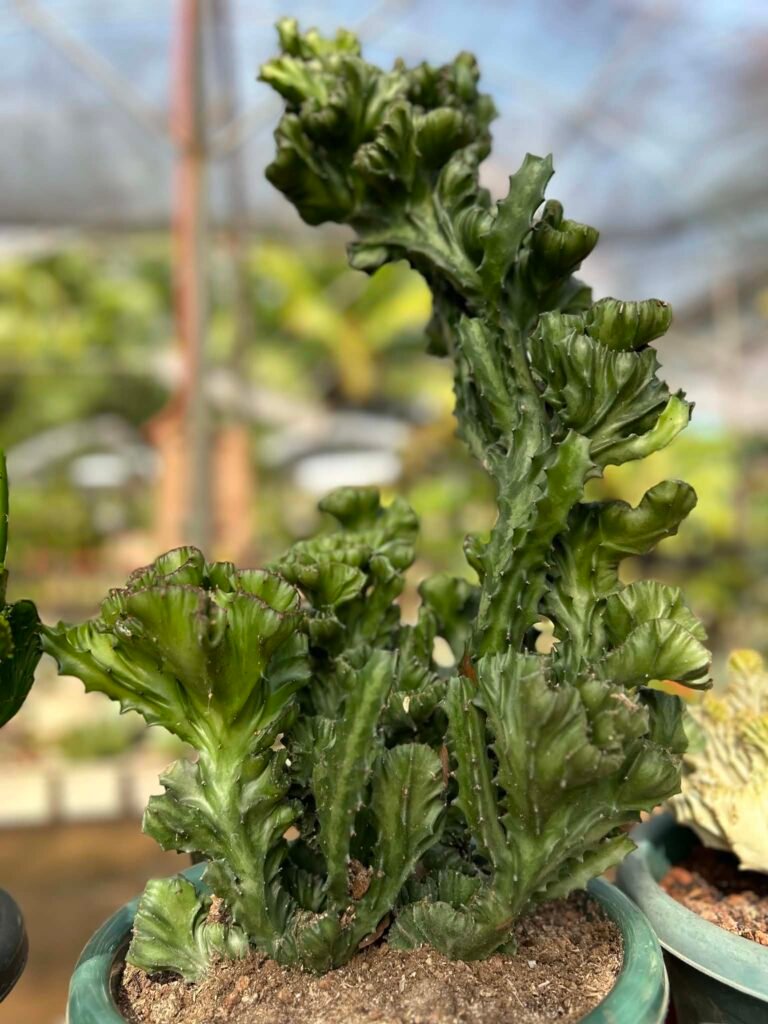
Figure 1. Euphorbia lactea f. cristata (Green Form)
Picture Description
A vigorous specimen of Euphorbia lactea f. cristata (Green Form) displaying its remarkable fan-shaped crested growth. The bright green, intricately folded crest is lined with tiny paired spines along its undulating margins, producing an appearance reminiscent of coral formations or ocean waves. The specimen has developed multiple crested branches, forming a dense sculptural cluster that highlights the extraordinary beauty created by fasciation. Photographed at Green Desert Agritourism Park, this specimen exemplifies one of the most distinctive ornamental forms within the genus Euphorbia.
Photograph © Green Desert Agritourism Park.
Plant Description
Euphorbia lactea f. cristata (Green Form) is a naturally occurring crested mutation of Euphorbia lactea that has become one of the most admired ornamental succulents among collectors. Instead of producing ordinary upright stems, its growing point expands into broad, fan-shaped crests through a phenomenon known as fasciation, creating intricate folds and undulating ridges that resemble coral reefs, brain coral, or flowing ocean waves.
Its vibrant green coloration accentuates the complex texture of the crest, giving the plant a fresh and sculptural appearance throughout the year. Although often referred to as a “Coral Cactus,” it is not a true cactus. It belongs to the spurge family (Euphorbiaceae) and produces the characteristic white milky latex found in all Euphorbia species. Slow-growing yet highly ornamental, this plant is treasured as a living work of art in succulent collections, botanical gardens, and contemporary landscape displays.
Basic Information
Scientific Name: Euphorbia lactea f. cristata (Green Form)
Author Citation: Based on Euphorbia lactea Haw.
Common Names:
- Green Crested Euphorbia
- Green Coral Cactus
- Crested Candelabra Spurge
- Green Dragon Crest
Family: Euphorbiaceae
Genus: Euphorbia
Plant Type: Crested succulent
Origin: A cultivated crested form derived from Euphorbia lactea, native to tropical Asia, particularly India and Sri Lanka.
Plant Overview
The Green Form of Euphorbia lactea f. cristata is prized for its elegant architecture and natural green coloration. Its densely folded crest develops into increasingly elaborate shapes as the plant matures, making every specimen unique. Because no two crests grow identically, each plant becomes an individual living sculpture.
This form is widely cultivated by succulent enthusiasts for its unusual appearance and ease of maintenance. It performs well in warm climates with bright light and excellent drainage and is often displayed as a focal point in container gardens and botanical collections.
Botanical Description
Growth Habit
A slow-growing, shrubby succulent with multiple fan-shaped crested stems arising from the base.
Mature Size
- Height: 30–90 cm
- Spread: 30–80 cm
Stem
- Thick succulent stems
- Bright green to deep green
- Fan-shaped crested growth with intricate folds
- Wavy margins lined with paired spines
Leaves
Small, short-lived leaves occasionally emerge on young growth before naturally dropping.
Spines
- Tiny paired spines
- Brown to gray
- Positioned along the crest margins
Roots
Fibrous, shallow root system adapted to well-drained soils.
Flowers
Produces tiny yellow-green cyathia, though flowering is uncommon in heavily crested specimens.
Fruits
Small three-lobed capsules when pollination occurs.
Seeds
Rarely produced in cultivated crested forms.
Native Habitat
Geographic Distribution
Derived from Euphorbia lactea, native to India and Sri Lanka.
Natural Ecosystem
Dry tropical forests, rocky slopes, and well-drained open landscapes.
Climate
Warm tropical to subtropical climates with alternating wet and dry seasons.
Soil Type
Well-drained sandy or rocky soils.
Growing Conditions
Light
Bright light to full sun, with protection from intense afternoon sun in extremely hot climates.
Watering
Allow the soil to dry completely between waterings. Reduce watering during cool weather.
Soil
A very fast-draining cactus or succulent mix enriched with pumice, lava rock, coarse sand, or crushed gravel.
Temperature
Ideal range:
20–35°C
Protect from temperatures below 10°C.
Humidity
Prefers dry conditions with good air circulation.
Fertilization
Apply a diluted cactus fertilizer once or twice during the growing season.
Potting
Grow in containers with ample drainage holes to prevent root rot.
Propagation
- Stem cuttings (after allowing the cut surface to callus completely)
Because the plant exudes a white milky latex, gloves and eye protection are recommended during propagation.
Growth Rate
Slow to moderate.
Dormancy
Growth slows during cool or dry periods.
Toxicity
⚠ Caution
Like all Euphorbia species, the white latex may:
- Irritate the skin
- Cause serious eye irritation
- Be toxic if ingested
Handle with care and keep away from children and pets.
Pests and Diseases
Common problems include:
- Mealybugs
- Scale insects
- Spider mites
- Root rot caused by excessive watering
- Fungal stem rot under poor drainage
Interesting Facts
- Formed through a natural mutation known as fasciation.
- No two crested specimens develop exactly the same shape.
- Commonly—but incorrectly—called a Coral Cactus.
- Belongs to the spurge family rather than the cactus family.
- The intricate crest becomes increasingly sculptural with age.
- One of the most sought-after ornamental Euphorbia forms among collectors.
Landscape and Collection Value
Ideal for:
- Specimen container displays
- Succulent collections
- Botanical gardens
- Contemporary landscape designs
- Indoor collections with bright light
Its sculptural form makes it an exceptional conversation piece.
Conservation Status
This is a cultivated ornamental form and is maintained through horticultural propagation rather than occurring as a naturally established wild population.
Life’s Whisper
“True beauty often grows in unexpected ways. Like the crested Euphorbia lactea, our uniqueness is not a flaw but a masterpiece shaped by life’s extraordinary journey.”
Green Desert Botanical Library Notes
This Green Form of Euphorbia lactea f. cristata is part of the living collection of Green Desert Agritourism Park. Its richly textured crest and healthy branching illustrate the remarkable diversity that can arise from natural mutations. Together with the Red Form, it showcases the fascinating range of colors and forms that have made crested Euphorbia among the most treasured plants in succulent collections worldwide.
References
For the complete list of botanical references, scientific literature, and online resources used in preparing the Green Desert Botanical Library, please visit the References page available from the Main Menu.